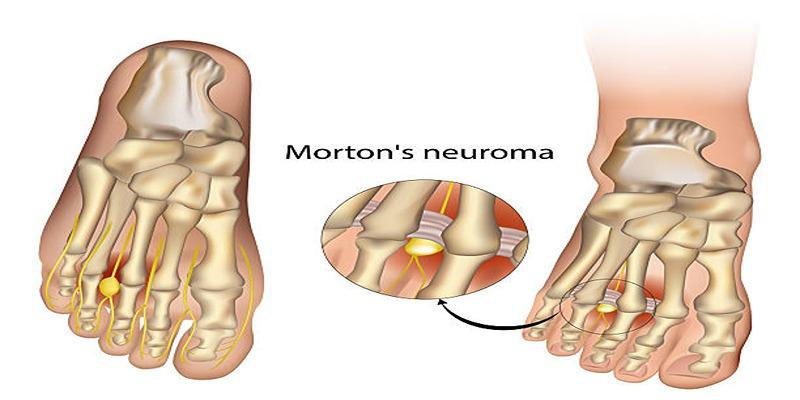
The neuroma with Morton living can be a frustrating and painful experience because it disrupts the capacity to walk comfortably and enjoy all the daily activities. With proper steps, this ailment can be under control since it is instigated by the thickening of nerve tissue in the foot. Learn how to relieve and restore your foot health.
Understanding Morton’s Neuroma
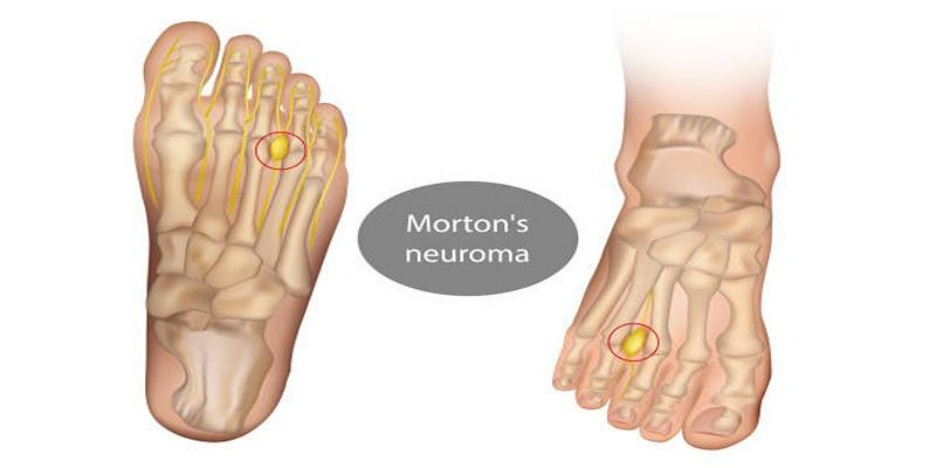
Morton's neuroma is not cancer. It's a condition where the tissue around a nerve in your foot thickens, usually between the third and fourth toes. This can cause inflammation, pain, and a feeling like you're walking on a small pebble. The pain may also radiate through the ball of your foot.
The condition might seem trivial but it can have a major influence. Constant nerve irritation may not only make you feel uncomfy but also will result in a change in your walking style and introduce stress in other regions like the ankle, knee, or the hip. The disorder occurs most frequently in individuals who work a great deal of time on their feet, have tight or high-heeled shoes, or continuously put the forefoot in repetitive impact- producing activities, such as running, dancing, hiking.
Recognizing the Symptoms
Early management of Morton’s neuroma is crucial to prevent further degeneration. The symptoms are known to begin mildly, however, steadily rising to greater levels. Common indicators include:
● A painful sensation in the toes between or inside the toes or in the ball of the foot that is aching or burning/shooting.
● A numbness or tingling in the local toes.
● The painful experience of standing on a rock or on a folded sock in your foot.
● Sensations of pain, which increase during strenuous footwear or physical exercise and which decrease when the shoe is taken off.
Such symptoms tend to get worse as time goes till the cause is dealt with. What is at first mild irritation may then progress to severe and chronic pains which disrupt movement or exercise.
Common Causes and Risk Factors
The nerve in the forefoot is overstretched or strained causing the neuroma to appear in Morton. A number of contributing factors may dispose one to this condition:
● Footwear: Shoes should be tight, narrow or have high heels that squeeze toes and fore feet worsening nerve tissues.
● High-Impact Activities: Activities that entail jumping, running or pivoting may exert repetitive forefoot stress.
● Abnormalities in the Structure of the feet: Flat feet, high arches or bunions can cause weight distribution imbalance making the bodies prone to pinching of the nerves.
● Past Trauma to Feet: The field of past conversations can cause changes in the position of bones in the foot, which exposes nerves to end up trapped and swollen.
All these, over time, result in inflammation, swelling and thick tissue which pinch the nerve.
Practical Self-Care and Lifestyle Adjustments
Luckily, even when Morton’s neuroma develops at an early stage, it can frequently be treated by means of introductions to a new, healthier lifestyle as well as self-care. This is aimed at taking the pressure off the affected nerve and encouraging the affected nerve to heal.
Opt for Supportive, Spacious Footwear
One of the factors that play a crucial role during the prevention and recovery is footwear. Select shoes that have a wide toe-box, cushioning, and low heels. Footwear should be avoided that squashes or crams the toes, the forefoot into a narrow canal. When walking or standing, spend a lot of time, it is better to wear a pair that will support and absorb shocks.
Use Orthotic Inserts
The stress on the nerve can be alleviated by the use of custom orthotic inserts or even metatarsal pads to redistribute the pressure over the foot. These inserts keep the nerves straight and also enhance comfort which may be causing trouble during a nerve compression.
Apply Ice Packs for Relief
Applying a cold compress to the painful area can help reduce inflammation and numb the pain. Use a soft cloth to wrap the ice pack, and also apply it in short bursts during the day, particularly in the post physical activity period.
Gentle Foot Exercises and Stretching
Blood circulation and tension release of the foot are performed through exercises. Attempt to roll a tennis ball under your foot, or to take a spread with your toes, or flex and stretch your toes a few times a day. They assist in alleviating tension of the forefoot as well as keeping the joints flexible.
Practice Regular Foot Massage
Light massage will work to increase circulation and loosen up constricted tissues about the nerve. Give the ball of the foot and the toes soft measures with your thumb in a circular manner. Frequent massage would also keep you sensitive to any alteration in the sensitivity or pain.
Maintain a Balanced Weight
The extra weight causes an unwanted pressure to the forefoot. Controlling body weight by being conscious of what to eat and performing low impact exercises like swimming, cycling or yoga can be used to release pressure on the nerves and joints.
Professional Treatment Options
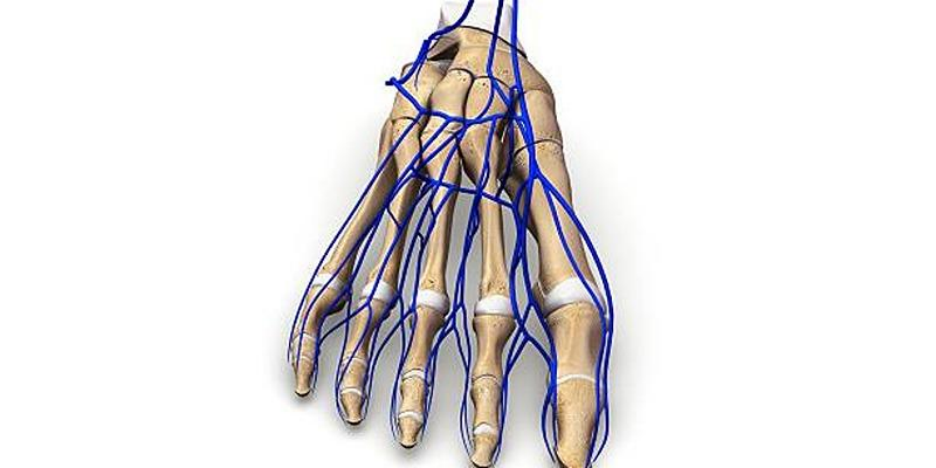
Home remedies may not help sufficiently; the effect of the ailment may have spread and thus medical treatment might be needed. Physical examination and imaging tests like ultrasound or MRI can help ascertain the best option of action to take and this can be done by a podiatrist or an orthopedic specialist.
Corticosteroid Injections
By injecting the affected nerve, inflammation and swelling are minimized which relieves the pain temporarily. Although they do not cure the condition, when used together with other therapies they are able to help manage the symptoms.
Physical Therapy
Specific physical therapy could contribute to the enhancement of foot movement and be able to strengthen the muscles that stabilize the arch. To relieve nerve pressure and improve the recovery outcome, therapists can apply such specialized treatment methods as ultrasound therapy, nerve mobilization, or taping.
Padding and Footwear Modifications
Special pads on shoes, or taping, can be used to pad the affected area to cushion it and correct shorting. The right footwear adjustments can be led by a professional to reduce the level of stress and avoid it in the future.
Shockwave Therapy
To others, extracorporeal shockwave therapy can be healed by increasing blood flow and decreasing tissue inflammation. This non-invasive therapy may prove useful in cases where the conservative treatments are inadequate.
Conclusion:
Morton’s neuroma is a common condition that affects many people, especially those who are active and on their feet for extended periods. It can be a frustrating and debilitating experience, but there are ways to manage and even overcome it. By understanding the causes and symptoms of Morton’s neuroma, seeking proper diagnosis and treatment, and taking steps to prevent recurrence, you can find relief from this condition and restore your mobility.