Choosing your first international trip: excitement vs uncertainty
The first time you price flights and realize you only have 7–10 days, the excitement turns into a quieter question: “Can I actually pull this off without spending half the trip stressed?” The usual “best first countries” lists rarely help, because they don’t weigh your real constraints—PTO, jet lag, airport transfers, and how forgiving a place is when you’re tired and off-schedule.
For a first international trip, the goal isn’t “easy” so much as “predictable.” That means clear entry rules, straightforward transit, and neighborhoods where you can walk around without constantly recalculating risk. The most popular beginner-friendly places can be crowded and pricier, especially in peak season.
Below, I’m narrowing it to five destinations that still deliver a genuine wow factor—scenery, culture, food—while keeping the logistics manageable enough that your first trip feels like a vacation, not a test.
Lisbon, Portugal: friendly, affordable, easy city break
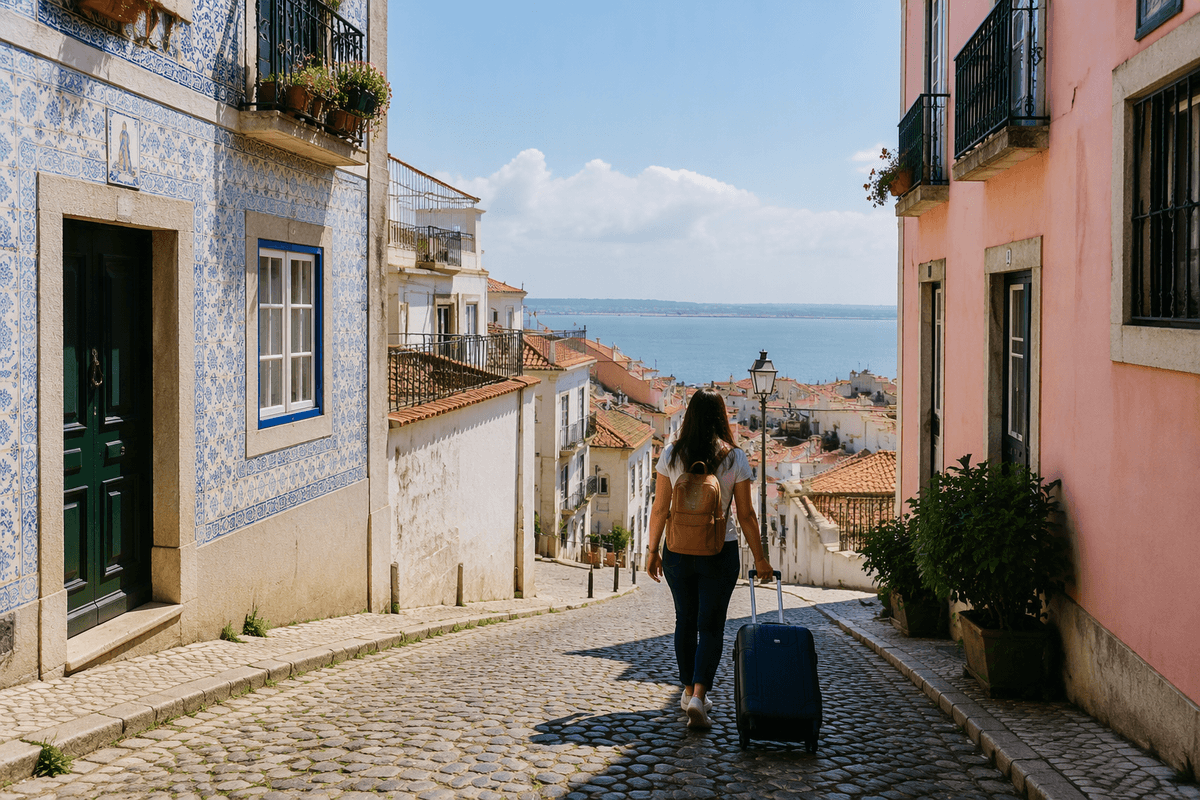
The first Lisbon decision usually hits before you’ve even booked: do you try to tack on Porto or the Algarve, or admit that with 7–10 days and limited PTO, one base city is the calmer win? Lisbon rewards the “one home base” approach. You can land, take a straightforward ride into town, and start seeing real highlights without immediately learning a multi-leg transit routine or navigating a new alphabet.
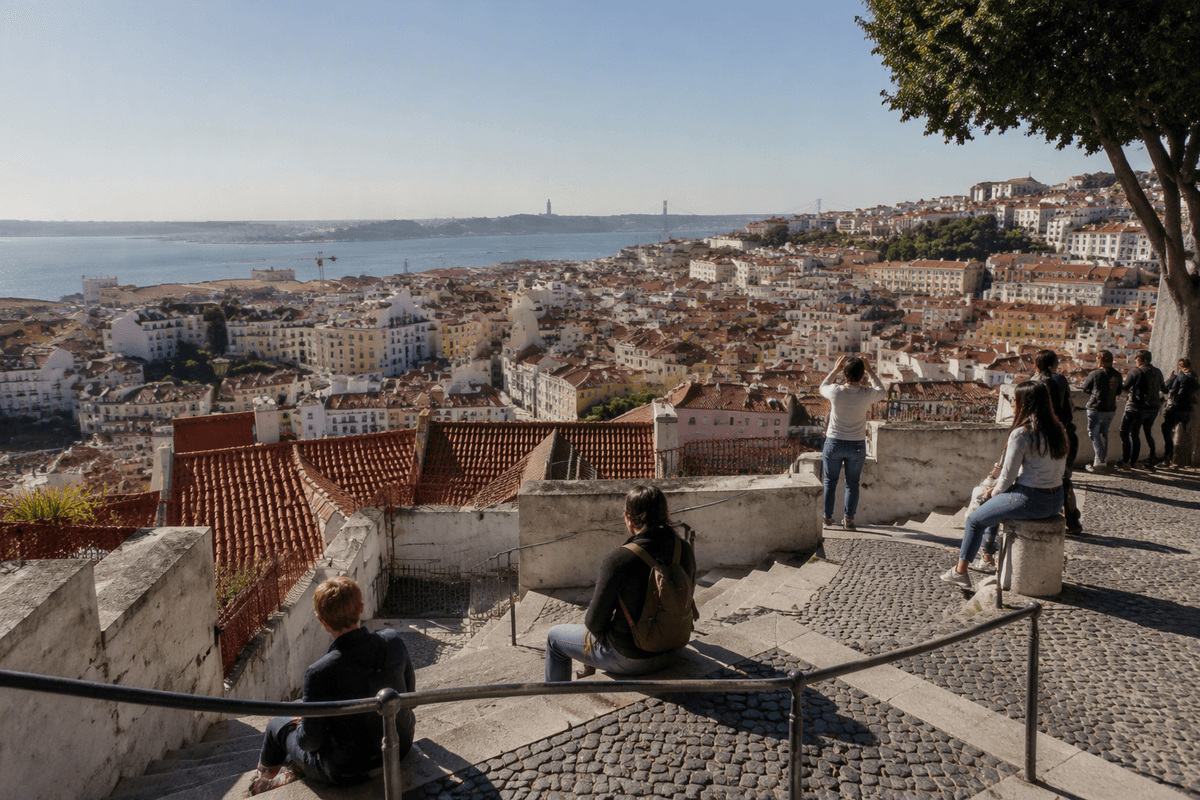
What works well here is how quickly the city becomes legible. The tourist core is walkable, and when your legs tap out on the hills (they will), it’s easy to pivot to public transit or a rideshare without feeling like you’ve lost the day. Lisbon’s charm is partly vertical—steep streets, uneven sidewalks, and those picture-perfect viewpoints that require stairs. If you’re traveling with anyone who’s mobility-limited, you’ll want to be deliberate about where you stay.
Cost-wise, Lisbon can feel like a relief compared to other Western European capitals, but it’s not immune to peak-season pricing or crowd pressure. If your anxiety trigger is “I hate feeling herded,” shoulder-season timing matters. Build in one slower morning, and Lisbon stops feeling like a checklist and starts feeling like a first trip you actually control.
Tokyo, Japan: ultra-safe, efficient, culture-rich first Asia
The Tokyo friction point is usually psychological: you step off a long flight, see a sea of signs you can’t read fast enough, and wonder if you made a mistake choosing your “first Asia.” Then the system quietly catches you. Stations are intensely organized, neighborhoods are consistent in how they’re laid out, and even when you miss a turn, you’re rarely punished with a sketchy detour—just a few extra minutes and a new platform.
What works well is how predictable daily logistics feel once you commit to a simple plan: pick one area to stay (Shinjuku, Shibuya, or Ginza-style convenience), and structure days by cluster—Asakusa/Ueno, Harajuku/Shibuya, a half-day in Tsukiji-area food stops—so you’re not crossing the city at rush hour for no reason. Tokyo is not a budget destination, and with only 7–10 days, jet lag can steal your best mornings if you pack the itinerary too tightly.
If language anxiety is your limiter, Tokyo is forgiving, but not frictionless. Some smaller restaurants are still “point and order” situations, and the quiet, rule-following vibe can make you feel conspicuous when you’re confused. Build in one “easy win” day—temple, park, department store food hall—and you’ll get the wow factor without burning your confidence early.
Costa Rica: nature, wildlife, and beginner-friendly adventure
Costa Rica is where the “one more transfer won’t be a big deal” idea gets tested. You land, you’re excited, and then you realize the country’s best parts aren’t in the capital—they’re in places like La Fortuna (Arenal) and Manuel Antonio, which can mean a long drive on day one when you’re already tired. What works well is choosing just two zones for a 7–10 day trip: one inland rainforest/hot springs base, and one beach base, so you get wildlife and downtime without spending half your PTO in transit.
For first-timers, the comfort comes from how built-out the entry-level adventure options are. You can book a guided rainforest walk, a hanging bridges hike, or a beginner-friendly zipline day and still be back for dinner without feeling like you need expert gear or Spanish fluency. The trade-off is cost: tours, park fees, and private shuttles add up fast, and “cheap tropical” expectations can backfire. If you’re trying to stay mid-range, pick a hotel with breakfast and be strategic about paid tours versus self-guided trails.
The other constraint is weather—rain can make your perfect day feel slippery and slower, not dangerous but definitely messier. Pack for wet shoes, start activities early, and you’ll keep the trip feeling adventurous in the good way, not the exhausting way.
Mexico City, Mexico: food capital with short flights
Mexico City is the place you pick when you want “international” without sacrificing two vacation days to airports. The short flight time (especially from the U.S.) changes your whole energy curve: you can land, settle in, and still have a real first evening instead of a jet-lagged blur. Where it works especially well for beginners is how easy it is to build a satisfying trip around a few neighborhoods—Roma/Condesa for walkability and cafes, Centro for big landmarks, and a targeted day for markets and museums—without needing a constant, high-effort transit strategy.
CDMX rewards planning more than you expect. Traffic can make “it’s only 4 miles” a bad assumption, and some of the most hyped food spots have real lines at prime hours. I found it’s smoother (and cheaper) to anchor days around one area, use rideshares for longer hops, and treat the Metro as a daytime tool rather than a late-night experiment on your first trip. If safety anxiety is your limiter, choose lodging on a well-lit, walkable street and build in earlier dinners—Mexico City feels friendlier when you’re not forcing logistics after fatigue sets in.
Reykjavík & South Coast, Iceland: stunning road-trip simplicity
The Iceland decision usually happens while you’re staring at a map thinking, “This looks simple—why does everyone say it’s expensive?” Reykjavík is an easy landing pad: English is widely spoken, signage is clear, and you can get your bearings in a compact city before you ever touch the ring road. What works well is the built-in “first-trip safety net” feeling—clean streets, calm nights, and tour operators who run on predictable schedules when you don’t want to drive on day one.
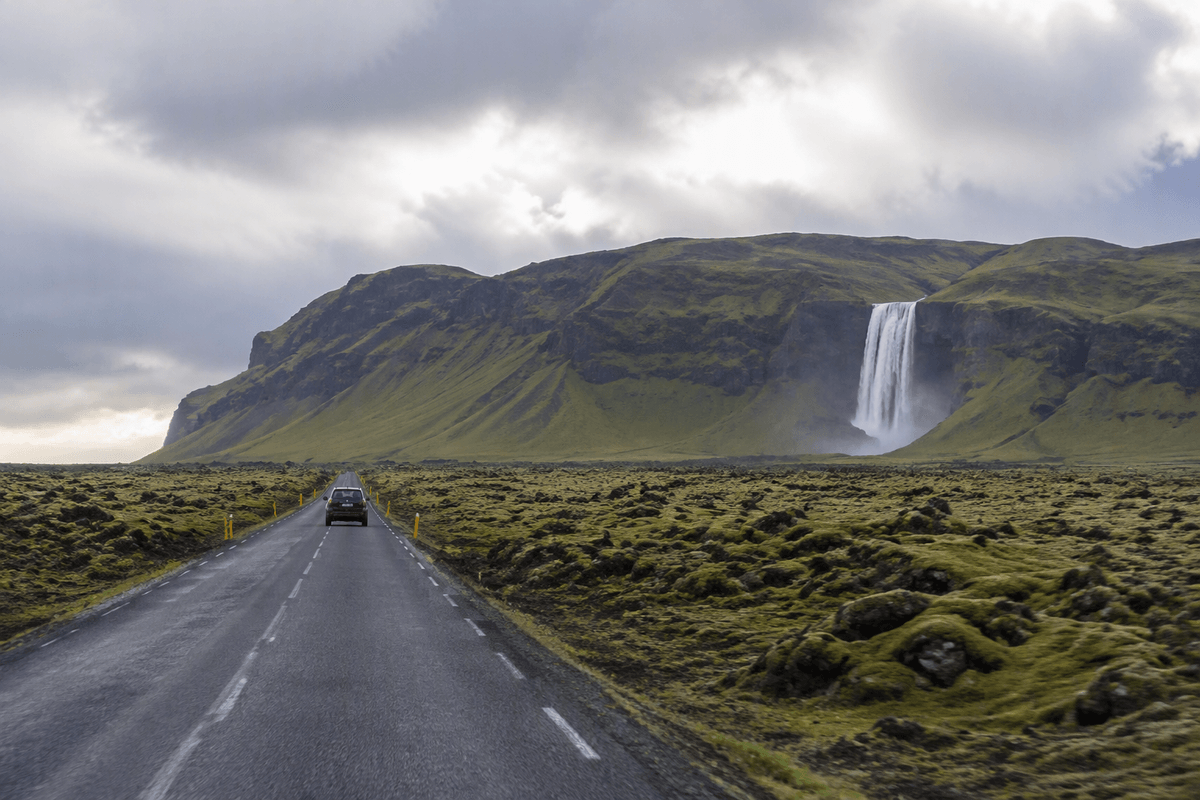
The South Coast is where the wow factor comes fast without complicated logistics: rent a car, point yourself toward waterfalls and black-sand beaches, and it really can feel like a choose-your-own-adventure with one main road. The Iceland’s simplicity is weather-dependent. Wind can make short drives feel tiring, and sudden rain or fog turns a “quick stop” into a slower, more cautious day. If you’re anxious about winter driving or long night hours, consider basing in Reykjavík and taking a guided South Coast day trip instead.
But, fuel, lodging, and even casual meals can surprise mid-range budgets. The workaround is prioritizing one or two paid splurges (like a lagoon or a glacier tour) and letting the rest be free nature—because in Iceland, the scenery doesn’t require an upgrade.
How to choose: budget, comfort zone, and travel style fit
The moment I usually see people freeze is when they realize every option is “good,” but each one is good in a different way—and your first trip is not the time to gamble on your weakest tolerance (jet lag, driving, crowds, or language).
If your limiter is time and you want the most vacation per PTO day, Mexico City is the cleanest win: short flights, fast payoff, and you can stay neighborhood-based. If you want Europe with forgiving logistics and mid-range pricing, Lisbon is the best “I can breathe” city break—just respect the hills and peak-season crowding. If safety anxiety is the loudest voice in your head and you can afford the flights, Tokyo is the most predictable big-city machine; the trade-off is cost and the energy hit of a long haul. If you want nature without needing expert skills, Costa Rica works—provided you cap yourself at two bases and accept that shuttles/tours aren’t cheap. And if you’re craving jaw-dropping scenery with minimal cultural friction, Iceland is the simplest road-trip… until weather (and prices) remind you who’s in charge.
Pick the destination that makes your “hard parts” rarer, not the one that looks best on a list—then build the itinerary around one base (or two, max) so your wow moments aren’t swallowed by transit.