It is must to dress children up in their attire to ensure they stay warm, safe and comfortable on cold days. In this guide we will examine tips and strategies that are practical in creating multiple layers of clothing, finding the appropriate material to wear and keeping your little one warm during the freezing seasons.
Layering Basics
Waterproofing is an important aspect of cold-weather children clothing because it keeps them warm as well as offers a suitable quality. It is easy to get layers to change their clothes to suit the changing weather and level of activity by simply combining them. This knowledge of the kinds of layers to be used and the appropriate materials to be used will guarantee the highest level of warmth and comfort.
Base Layer
Effective layering is provided at the base layer. It is intended to pull the moisture out of the skin keeping the kids dry and to ensure that they are not chilled. Choose such materials as merino wool or light but moisture-proof synthetic fabrics. Cotton should also be avoided because it is a moisture retaining material and loses its insulation property when wet.
Middle Layer
The main use of the middle layer is insulation. This layer keeps the body heat and offers warmth. Fleece and down This layer is a great option in that they are light but can keep the body warm. Make sure this layer is not too tight to fit well so that a child can move freely and remain comfortable.
Outer Layer
The surface is a cover that keeps out the wind, rain and snow. Search to find waterproof and windproof fabrics like the Gore-Tex or nylon. A jacket that has a hood is the preferred one to wear to protect further. This layer must also be breathable to make sure that moisture on the inside layers is able to escape thus making your child comfortable during their outdoor games.
Keep Hands, Feet, and Head Warm
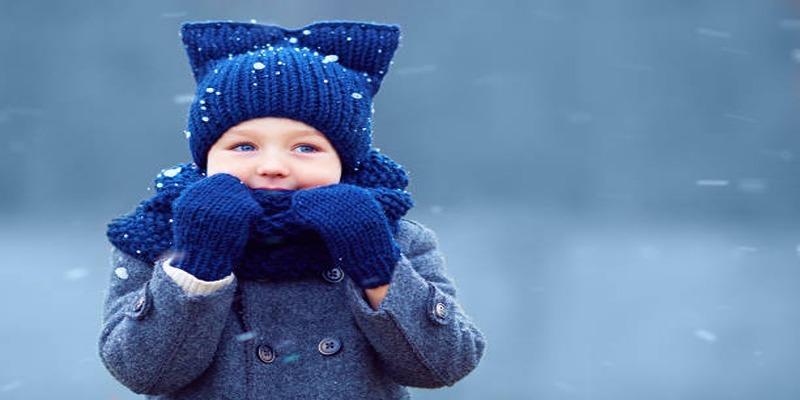
Warmth of extremities is a vital factor in retaining heat of the body particularly on cold days. Proper hat, gloves and socks may prove to be very useful, especially to keep your child quite comfortable and safe outside. A design and the selection of the right materials may assist in avoiding cold-related pain and enable them to enjoy their outdoor activities to their full extent.
Hats to Retain Body Heat

A large part of the body heat is lost via the head and hence hats are an essential part of the body. Select hats that would keep a person warm such as wool or fleece. Extra cold protection is provided by styles that cover the ears. Ensure the hat is snug but comfortable so that it does not slip when play is on.
Gloves for Hand Protection
Hand dexterity is affected by bare hands rapidly becoming numb and cold. Seek out gloves constructed out of waterproof outer cover materials such as Thinsulate or wool. Mittens are also good in that they keep the fingers together to provide a bit more warmth. Make sure that the gloves are simple to put on and attach on an active kid.
Socks for Cozy Feet
To enjoy an outdoor activity, cold feet are not nice, and thus good socks are worth buying. Thermal socks or merino wool would be a good option because they are warm and they have the ability to wick moisture. Non cotton because it provides dampness and cold feet. Socks may also be layered which also adds an extra insulation in exceedingly cold temperatures.
Choosing the Right Outerwear
Outwear should be proper to make the children feel safe and comfortable during cold weather. The choice of the appropriate pieces keeps them warm without becoming overheated or confined in movement. The following are some important things to take into consideration when buying outwear that would make your little one warm and prepared to go out and have some adventures.
Insulated Jackets for Maximum Warmth
Pack an insulated jacket that is warm and active. A jacket down or synthetics jackets are both a great choice, as they would be the best insulating against the cold. Make sure that the jacket has a windproof and waterproof cover to keep off snow and rain. Also, a tight-fitting hood will provide some supplementary shield against the cold winds thus making winter escapades more exciting.
Snow Fun Waterproof pants
Snow adventures cannot do without waterproof pants. Find a pair where both knees and the bottom have reinforced parts so that they will support vigorous play. Straps or waistbands should be chosen, which are adjustable so that the snow does not creep in,lent fabrics should be chosen which allow moisture to stay out and yet heat to go out so that your child will not be cold doing a lot in the snow.
The Importance of Layering
The important element of temperature regulation during cold weather is layer-up. Begin with a base layer that is moisture-wicking to keep sweat off the body. Insert a middle layer of insulation like the fleece that will help in trapping body heat. Complete with a strong, weatherproof exterior coating to prevent wind and rain.
Safety Considerations
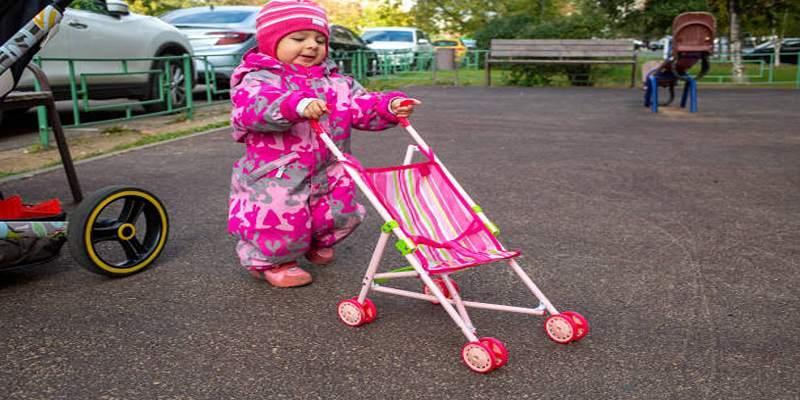
Safety of the children outside during cold weather requires both preparation and details to ensure the safety of children. Availability of the appropriate dress and the correct number of layers are not the only factors that are to be considered to ensure the safety and comfort of kids. The following are some of the key requirements in order to see you secure your child as they have fun outside during winter.
Footwear and Traction
The selection of footwear is very significant in avoiding falls and slips on snowy or icy floor. Seek out insulated and waterproof type of boots which offer good support at the ankle and have soles that are not slippery. Traction aids can be applied, or cleats fitted as well to slippery areas. Footwear should be comfortable and well fitted, which will also promote active playing and decrease the risks of discomfort or accidents.
Hydration and Nutrition
The symptoms of dehydration are hidden by cold weather, which is why it is essential to make children remember about drinking water frequently. Put warm drinks such as tea or hot chocolate in insulated flasks to ensure that the drinks remain warm. Also, consider high-energy snacks, e.g., nuts, or granola bars or dried fruits, to keep the energy levels high. This will be due to proper hydration and nutrition to keep them going and avoid cold-related exhaustion.
Visibility in Low Light
Due to reduced daylight time, visibility in winter time particularly in clouds or fogs may be a problem. Seal the clothing or backpacks of children with reflective items in order to make them visible. They should be encouraged to dress in bright or fluorescent color to make them feel even safer.
Conclusion
Properly dressing a child on cold weather makes him or her warm, safe and comfortable on any outdoor activity. It is possible to keep the children warm and safe with the help of some proper layering, the choice of the right materials and stress placed on such significant elements as hands, feet or head. With the proper preparations, they will be in a position to enjoy the winter without being worried that the weather will not be as warm as it should.