North East weather: plan without losing days
We nearly burned an hour in the driveway doing that classic North East dance: the forecast showed “showers” everywhere, but the wind arrows were pointing in completely different directions. What helped was planning by exposure, not by “rain vs sun”: cliffs and big beaches are brilliant when it’s bright, but they feel punishing when the coastal wind turns wet; woods and valleys stay enjoyable even when the sky can’t make its mind up.
For a 2–3 day break with a car, I’d keep two shortlists: a “coast and views” set (Tynemouth to Whitley Bay walk, Bamburgh–Seahouses stretch, Simonside above Rothbury) and a “sheltered and still worth it” set (Allen Banks & Staward Gorge, Holystone/Harbottle woodland walks, Cragside’s trees and paths). Committing to Northumberland’s coast and then bailing inland mid-day can feel like you’ve spent more time in the car than outside.
Booking-wise, most walks are genuinely last-minute; boats (like the Farne Islands) and some popular parking spots aren’t. If you want flexibility, keep one bookable highlight and let everything else be swap-friendly.
Sunny-day outdoors: coast, hills, and big views
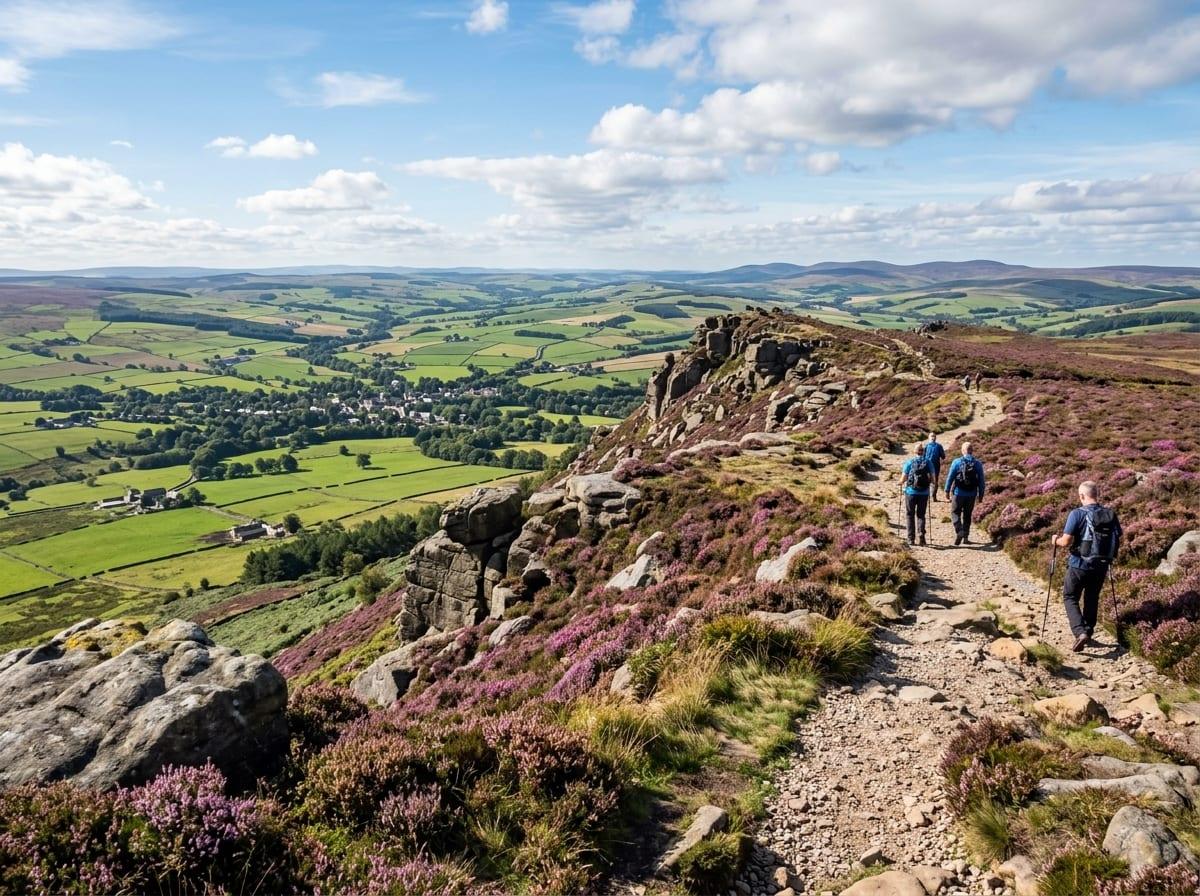
We made the call on the morning: if it’s properly bright, don’t “save the coast for later” — go early, because parking and the most pleasant miles fill up fast. The Tynemouth–Cullercoats–Whitley Bay stretch works when you want an easy win with cafés as safety valves, but it’s also the first place that starts feeling scrappy if the wind is up; you can be five minutes into the walk and already negotiating sand-in-your-face. If you want the bigger, cleaner wow-factor, the Bamburgh side of Northumberland is the step up, but you’re paying for it in drive time from Newcastle and you’re more exposed if the weather flips.
On a true sunny day, I’d choose one “big beach + castle view” stop (Bamburgh beach is the obvious one) and then keep Seahouses as the practical add-on rather than an equal headline: it’s useful for food and toilets, but it can feel busy and a bit functional when the coach crowds land. The temptation is to try to bolt on the Farne Islands because it’s right there; just remember that boats aren’t a casual, on-a-whim pivot in the same way a beach walk is, and wind can cancel plans even when it looks blue overhead.
For hills and wide views without committing to a full-on hike, Simonside above Rothbury is the sweet spot: enough height to feel like you earned the panorama, but not so epic that you lose the whole day to boots, kit, and recovery. It’s less forgiving than a beach if you’re tired or the ground’s slick, so we treated it as a “go if the legs feel good” option — and kept a shorter wander around Rothbury in our pocket if the climb started sounding like a chore.
Rainy-day outdoors: waterfalls, forests, and sheltered walks
The moment the drizzle turned from “on and off” to “horizontal,” we stopped pretending a cliff walk would be character-building and aimed for cover instead. In the North East, rain doesn’t have to mean indoors, but it does mean choosing places where the scenery is close-up and the ground holds up. The easiest pivot from Newcastle is Allen Banks & Staward Gorge (near Bardon Mill): it’s properly woodland-sheltered, you get the river and little cascades quickly, and you’re not committed to an exposed ridge if the weather worsens. It can get muddy and the paths are rooty, so it’s more “grippy shoes” than “trainers you don’t mind sacrificing,” especially after a wet week.
If you want a rain-friendly “big” day without gambling on coastal wind, Cragside works because the trees do the work of making the weather feel softer, and you can scale the effort up or down once you’re there. It’s not a free wander: entry cost matters if you’re trying to keep the budget mid-range, and the internal driving/parking stops can feel slightly stop-start if you arrived dreaming of a single continuous hike.
Further north, the Holystone/Harbottle side of the National Park is a solid wet-weather bet when you still want a proper walk, but it’s only worth the drive if you’re committing to a few hours out. Waterfalls are at their best after rain, but that’s also when you’ll feel every puddle and slippery stone, so plan for “wet but satisfying,” not “quick and tidy.”
Quick decision filters: location, time, access, comfort
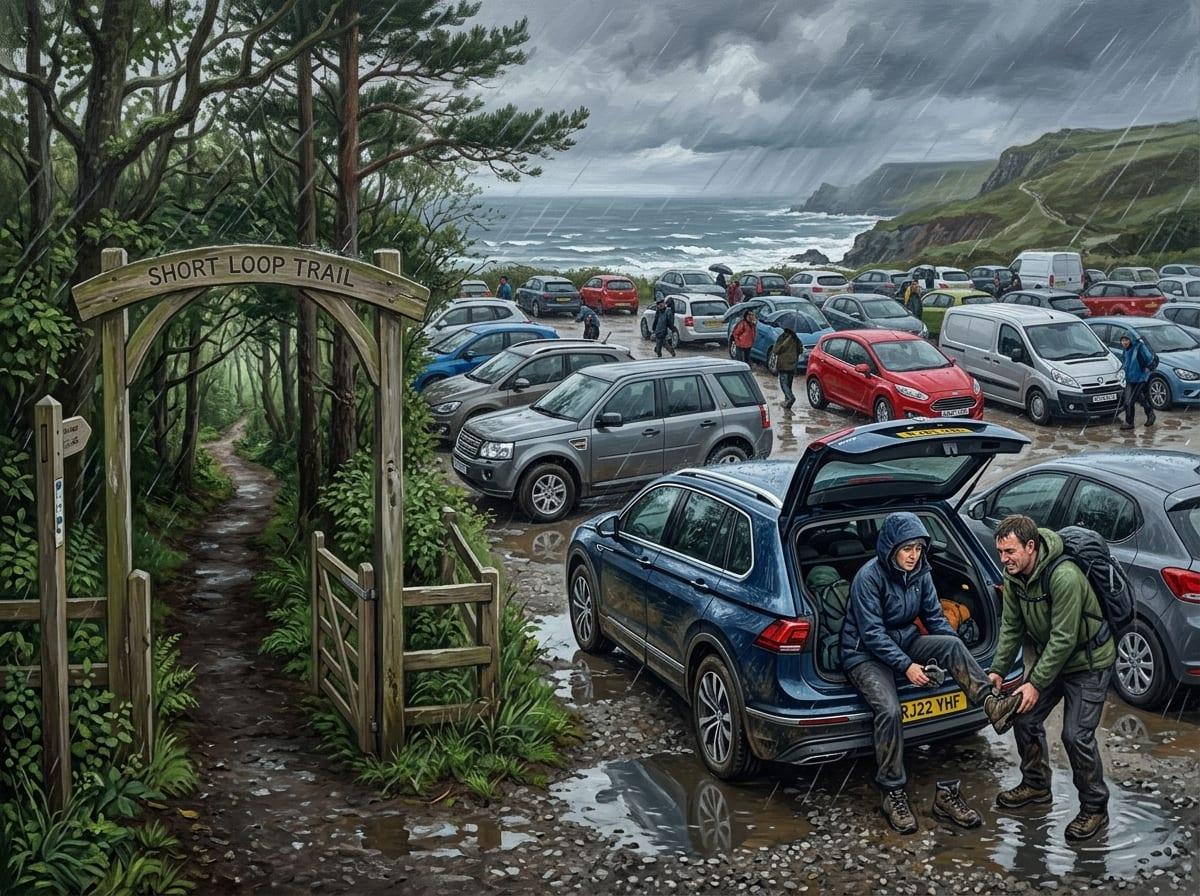
We found the quickest way to decide was to run four filters before we even put shoes on: location, time, access, comfort. Location is the big one from Newcastle, because the wrong first choice quietly steals half your day: if the forecast is messy, don’t drive all the way to Bamburgh “to see what it’s like” unless you’ll still be happy with a windswept beach. In mixed weather, staying central-ish (Tynemouth/Whitley Bay or inland toward Hexham/Allen Banks) keeps your bailout options realistic instead of optimistic.
Time is about your “usable outdoors window,” not the clock. If you’ve only got 2–3 hours between showers, pick something that pays you back quickly (Allen Banks gets you into the woods fast; the coast can be ten minutes of parking friction before you’ve even started). Access is the unglamorous decider: if you’re arriving late morning on a weekend, assume coastal parking will be annoying and factor in a Plan B car park or a shorter loop. Comfort is the final truth test—windchill and wet feet ruin good scenery—so if it’s damp and breezy, choose surfaces and shelter that won’t have you tense-shouldered the whole way. We packed for “changeable,” but we planned for “what if we can’t be bothered,” and that saved the day more than any forecast.
A flexible North East plan you’ll actually enjoy
What finally made our 2–3 days feel calm was treating it like a modular plan, not an itinerary: pick one bookable highlight you’ll be genuinely annoyed to miss, then build two half-day blocks you can swap without a cross-county rescue mission. Day 1 stays “nearby coast” or “nearby woods” depending on wind, because that choice keeps driving friction low; Day 2 is your longer-commitment option (either the bigger beach/castle views or the deeper inland walk), but only if the forecast looks steady enough to justify the time.
The practical rule we kept coming back to: if you’re hesitating at the door, default to the option that gets you walking within 15 minutes of parking, even if it’s not the most dramatic. You’ll do more miles, argue less, and you won’t end the day feeling like the car was the main attraction.