Anesthesia Is More Than Simply Being Asleep
“You’ll be asleep for it” can sound reassuring, but it does not always describe what will actually happen. In everyday conversation, anesthesia is often treated as a single switch: awake on one side, unconscious on the other. During a procedure, though, the experience may involve numbing a small area, blocking sensation across part of the body, becoming relaxed and less aware, or entering a controlled unconscious state.
Those differences matter because anesthesia can affect more than pain. Depending on the method, it may change movement, memory of the procedure, alertness, and sometimes breathing support. A person having a short treatment on one area may only need to be numb, while a longer or more invasive procedure may call for something broader. Even for similar procedures, plans can differ based on the treatment location, expected duration, health history, and comfort needs. That is why terms such as “sedated” and “asleep” are not always interchangeable.
Local Anesthesia Numbs One Small Treatment Area
The first pinch may be brief, followed by a spreading warmth, pressure, or tingling as the medicine begins to work. With local anesthesia, the goal is usually narrow: to reduce or stop sensation in one small treatment area while the person remains awake. It is common in situations such as dental work, skin procedures, stitches, or minor treatments involving a hand or foot.
Being numb does not always mean feeling nothing at all. Sharp pain may be reduced, yet pulling, pushing, vibration, or pressure can still be noticeable. That can be unsettling if someone expects the area to feel completely absent, especially when they can hear or sense parts of the procedure. Local anesthesia also has practical limits: it may not be enough when treatment covers a wider area, takes longer than expected, or becomes difficult to tolerate while fully alert. In those situations, numbing medicine may be combined with another approach rather than replaced entirely.
Regional Blocks Affect a Larger Body Region
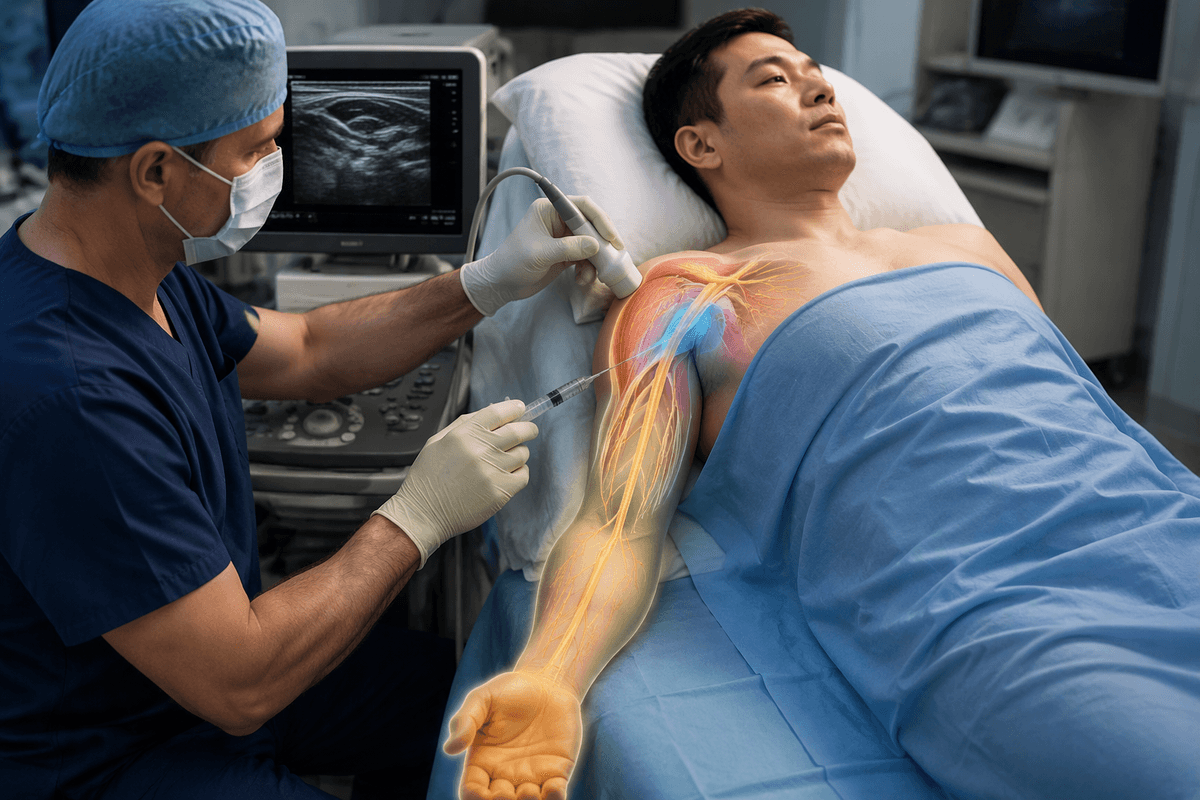
A heavier, more distant feeling can develop beyond the immediate treatment spot, sometimes reaching across an arm, a leg, or the lower half of the body. A regional block is designed for that wider effect. Instead of numbing only the skin or one small area, medicine is placed near nerves that carry sensation from a larger region. This approach may be used for surgery involving a shoulder, hand, knee, foot, or, in some situations, childbirth or procedures below the waist.
The change can involve movement as well as sensation. A limb may feel weak, warm, or difficult to control for a while, which can seem surprising when the person is otherwise awake and able to talk. Pressure or positioning may still be noticed, even when pain signals are greatly reduced. Regional blocks are sometimes paired with sedation, so the experience can range from fully aware to sleepy with little memory afterward. The numbness and weakness may last beyond the procedure, making walking, using the affected limb, or leaving immediately more complicated.
Sedation Changes Awareness Without Always Causing Unconsciousness
Someone may remember being wheeled into the room, then feel as if only a few minutes passed before hearing that the procedure is over. That gap is often what people mean by sedation. It can make a person calmer, drowsier, and less aware of what is happening, but it does not always mean complete unconsciousness. Depending on the level used, they may still breathe on their own, respond to a voice or gentle touch, and follow a simple instruction.
A person might briefly open their eyes or answer a question yet recall little afterward, which can make sedation sound more like being fully asleep than it was. Sedation may be used alongside local anesthesia or a regional block, helping with anxiety while the numbing medicine addresses pain. Its effect can vary from light relaxation to deep sleepiness, so recovery is not always immediate. Grogginess, unsteadiness, or slowed thinking may linger for several hours, even when the procedure itself felt brief.
General Anesthesia Creates a Controlled Unconscious State
The room may seem to disappear between one breath and the next. With general anesthesia, the aim is a controlled unconscious state: the person is not aware of the procedure and does not form memories of it in the usual way. This is different from simply feeling very sleepy. The anesthesia team continuously adjusts the medicines and watches breathing, heart rate, blood pressure, oxygen levels, and other signals throughout the procedure.
Because the body’s normal responses can be affected, breathing support is often part of the plan. A person may need help keeping the airway open or moving air during surgery, then gradually wake as the medicines are reduced. The first moments afterward can be disorienting; some people feel cold, nauseated, sore-throated, or confused before becoming more alert. Those effects do not necessarily mean anything went wrong, but recovery can feel less smooth than the sudden “time jump” people expect. General anesthesia is usually considered when the procedure is extensive, involves areas that cannot stay still, or would be too uncomfortable to manage while aware.
Procedure Demands Shape Which Method Makes Sense

A procedure that sounds small on paper can still require a broader plan if the treatment area is hard to reach, likely to move, or expected to take longer. A skin biopsy and a repair inside the abdomen may both involve cutting, for example, but the demands on pain control, stillness, and breathing are very different. The location matters too: work near the face, chest, or airway can create concerns that are not present with a simple treatment on a finger.
That is why the anesthesia choice is not based only on how worried someone feels, although comfort is part of the discussion. The team also considers whether the person needs to stay completely still, whether the procedure can be safely done while they respond to instructions, and how much sensation must be controlled. A regional block may fit a limb operation but not an abdominal procedure; sedation may help during an uncomfortable test but may not provide enough control for surgery. Plans can also change if a procedure becomes longer or more complex than expected.
Comfort Expectations Can Differ From Recovery Reality
It can be tempting to judge the anesthesia plan by one question: “Will I feel anything?” Yet comfort during the procedure is only one part of the experience. A person may be pleasantly surprised by how little they remember, then find that numbness, weakness, nausea, a sore throat, or mental fog lasts longer than expected afterward. The recovery room can feel more immediate and physical than the procedure itself.
That difference does not make one method better than another. Local anesthesia may leave someone alert enough to go home sooner but still aware of pressure during treatment. A regional block can offer strong pain control while making a limb awkward to use for hours. Sedation and general anesthesia can make the procedure feel distant, but they may require more time before clear thinking, steady walking, or normal eating returns. Asking what to expect after the medicine wears off can make the plan easier to understand than asking only whether someone will be “asleep.”