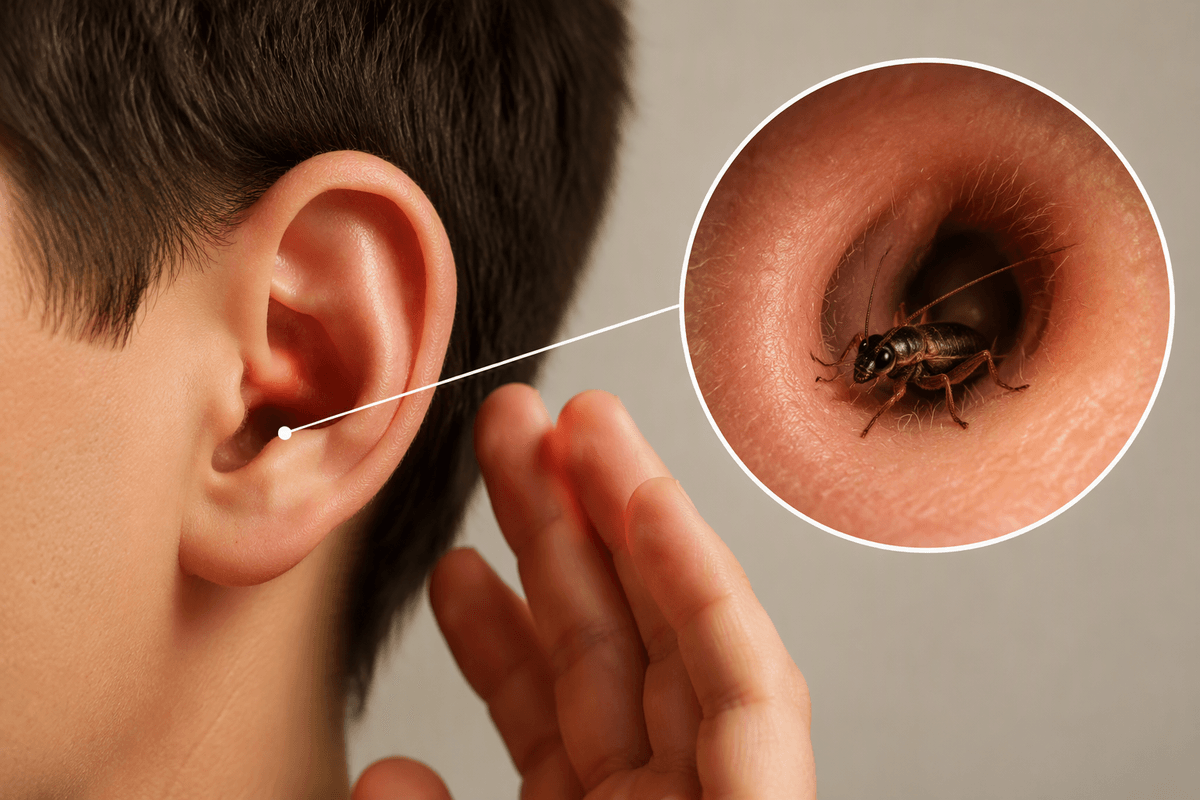
Recognizing When an Ear Bug May Be Present
A sudden tickling or fluttering deep in one ear can feel unmistakable, especially after sleeping near an open window, camping, gardening, or spending time outdoors. Some people notice a faint scratching sound, brief buzzing, or a sensation that seems to shift when they move their head. It may also come with fullness, muffled hearing, or an urge to poke at the ear because something feels “stuck.”
Still, the feeling alone does not always confirm that an insect is present. Water, earwax, a stray hair, or skin irritation can create similar sensations, and anxiety can make a small discomfort seem like continued movement. Persistent pain, visible drainage, bleeding, worsening hearing, or a sensation that does not settle deserves more caution than a passing tickle. An ear canal is narrow and hard to see into, so repeated checking with fingers, swabs, or tools can turn uncertainty into irritation—or push an object farther in.
Why Movement Inside the Canal Feels So Intense

Even a tiny movement can seem surprisingly loud and urgent once it is happening in the ear. The canal is a small, sensitive space, so light contact against its skin may register as scratching, fluttering, pressure, or a sound that seems to come from deep inside the head. Jaw movement, swallowing, or turning the head can also change the sensation, which may make it seem as though something is moving farther in.
That intensity can make people reach for a swab or try to dig around before they can tell what they are feeling. The canal’s skin is easy to irritate, and pain or swelling from probing can continue after the original movement has stopped. Muffled hearing may come from an object, wax, or swelling, so it does not reliably show what is still inside. If the feeling remains active or becomes more painful, uncertainty is a reason to be gentler—not more forceful.
Avoiding Reflexes That Can Push It Deeper
The urge to “just get it out” can become strongest when the sensation seems to jump with every small movement. A finger, cotton swab, hairpin, or tweezers may feel like a quick answer, but none offers a clear view of the canal. Instead, they can press an insect, wax, or other material deeper, scrape the delicate skin, or leave swelling that makes the original problem harder to judge.
Tilting the head repeatedly and shaking it hard can be another reflex, especially when someone is frightened by fluttering or noise. It may not dislodge what is inside, and vigorous movement can add dizziness or make the sensation feel more confusing. Trying several methods in a row also creates a misleading picture: later pain, drainage, or muffled hearing may come from irritation caused during the attempts rather than continued movement. When nothing can be clearly seen at the outer opening, stopping the probing matters more than finding the perfect tool.
Safe First Steps Before Attempting Removal
Once the first rush of panic eases, the most useful step is often simply to pause and notice what is happening. Keep the affected ear facing upward or level, rather than repeatedly shaking the head, and use a light only to look at the outer opening—not to search deep inside. If an insect or other material is plainly visible at the entrance, it is still easy to misjudge how far it extends, so reaching in can create more trouble than it solves.
It also helps to separate active movement from the soreness left by earlier attempts. Continued fluttering, sharp pain, new drainage, bleeding, or clearly reduced hearing suggests the situation has not settled and may need professional removal. A person who has ear tubes, a known eardrum opening, recent ear surgery, or significant ear pain should be especially cautious about putting anything into the ear. Without a clear view, a gentle pause is often safer than treating the ear canal like something that can be cleaned out by trial and error.
When Liquid May Help and When It May Not
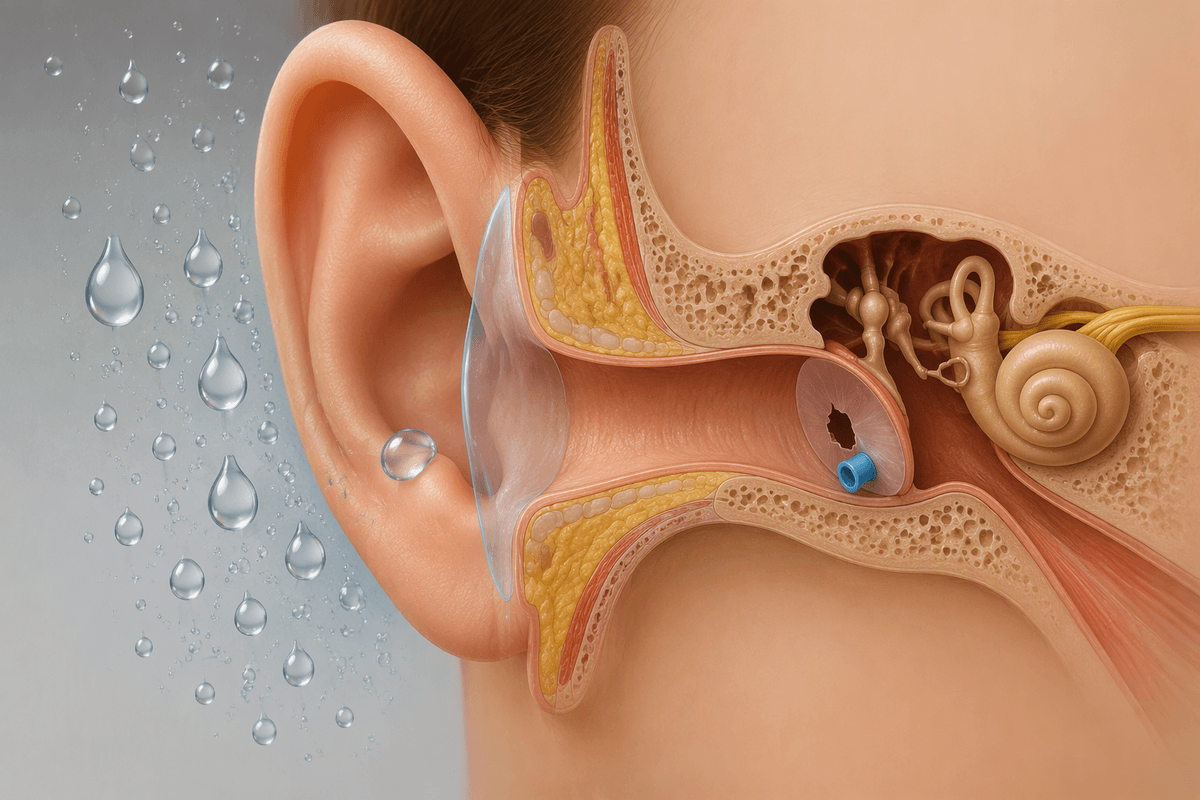
A few drops of liquid may sound like the simplest way to stop fluttering, and in some situations it can help immobilize an insect so it is less likely to keep scratching the canal. But that approach depends on being reasonably sure the ear can safely tolerate liquid. If there is a known eardrum opening, ear tubes, recent ear surgery, bleeding, drainage, or strong pain, adding water, oil, or drops may create more discomfort or allow fluid to reach places it should not.
Rinsing can also be misleading when the problem is uncertain. Liquid may shift wax or debris farther inward, leave a blocked feeling, or make it harder to tell whether the original sensation has stopped. It is not a good substitute for visibility, and forceful flushing is especially risky when no one knows what is in the canal. If movement continues after a cautious attempt, or hearing becomes more muffled, the next step is usually removal by someone who can look inside rather than another round of liquid.
Signs That Call for Prompt Medical Removal
Sometimes the clearest warning is not what can be seen, but what refuses to ease. Ongoing fluttering or scratching, increasing pain, bleeding, drainage, dizziness, or a noticeable drop in hearing can mean the canal needs to be examined rather than managed at home. Prompt medical removal is also the safer course when an insect may be deep in the ear, cannot be clearly seen, or remains after a cautious attempt to use liquid.
Children, people with ear tubes or a known eardrum opening, and anyone with recent ear surgery have less room for trial and error. Severe pain, spinning sensations, vomiting, or sudden hearing changes deserve urgent attention, especially if probing or flushing has already occurred. A clinician can look into the canal, remove the material with the right tools, and check whether the skin has been scratched. The goal is not to prove that something is still moving; it is to avoid adding injury when the ear cannot be safely assessed from the outside.
Afterward, Watch for Lingering Ear Canal Irritation
Later that day, the ear may still feel tender, itchy, full, or slightly muffled even after the insect or debris is gone. That does not necessarily mean something remains inside. The canal’s skin can stay irritated after scratching, liquid, or attempts to reach in with a swab or finger, and the lingering sensation can be easy to mistake for renewed movement.
Mild discomfort that gradually settles is different from pain that grows, new drainage, bleeding, fever, dizziness, or hearing that remains noticeably reduced. Avoid further cleaning while the ear is sore; repeated checking can keep the skin irritated and blur the cause of the symptoms. If the discomfort does not improve or seems to return after removal, an examination can clarify whether the canal was scratched or whether material is still present.