Why Two Clotting Tests Tell Different Stories
The numbers can look as though they should answer the same question, especially when they appear together on a lab report. They do not. PT, often reported with an INR, mainly reflects how quickly blood forms a clot through one part of the clotting pathway. PTT, sometimes written as aPTT, examines a different set of clotting factors. That is why one result may be outside the usual range while the other remains unremarkable.
The difference matters when a result changes between appointments. A higher or lower value may relate to a medicine, the timing of the blood draw, recent illness, nutrition, or changes affecting the liver, rather than a single new problem. A result may move slightly without producing any noticeable sensation. Looking at PT/INR and PTT separately can therefore create unnecessary worry—or false reassurance. The more useful view includes the test date, current medicines, recent health changes, and whether the same result appears again.
What an Abnormal PT/INR May Point Toward
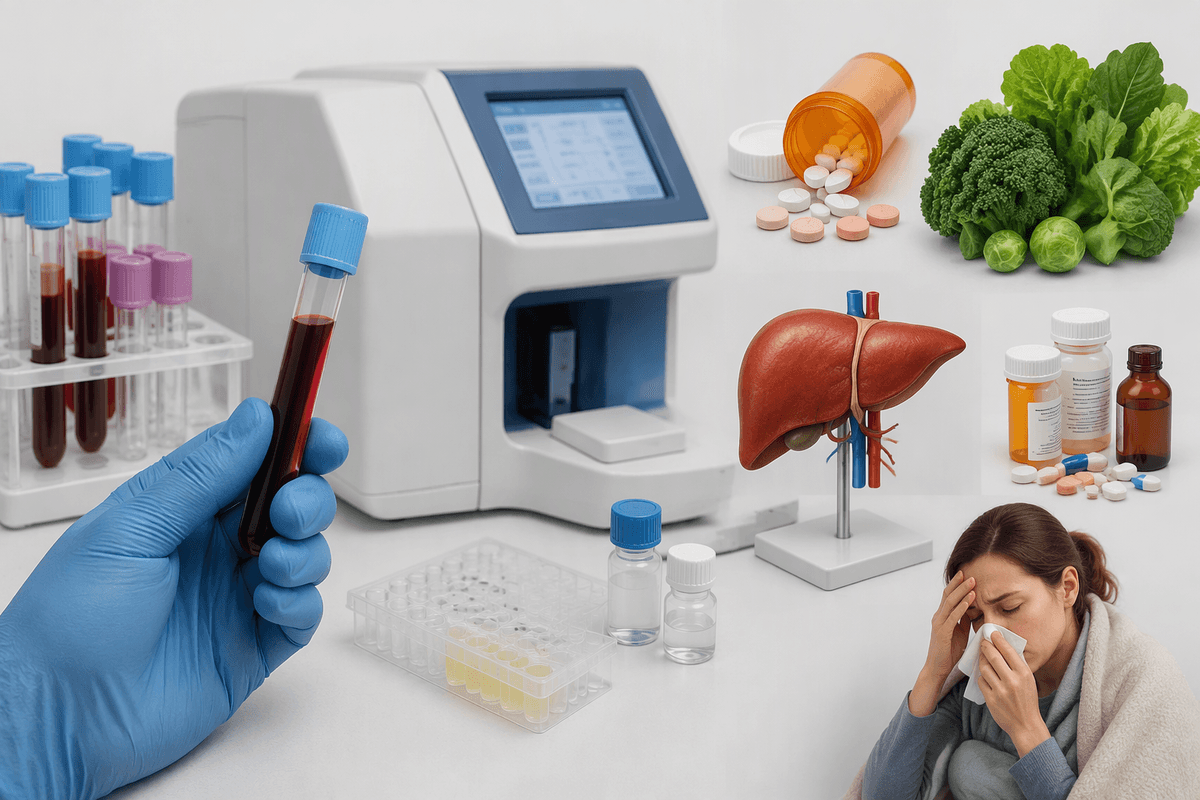
A PT/INR result that sits outside the expected range can point in several directions, depending on the situation. A higher INR may mean blood is taking longer to clot, which is often intentional for people taking warfarin or a similar medicine. In someone not using such treatment, the same pattern may be considered alongside recent illness, reduced vitamin K intake, liver-related changes, or other medicines and supplements. A lower-than-expected INR may suggest less clotting effect than intended when medication is being monitored, but one reading does not explain why.
The timing of the test can quietly change its meaning. A missed dose, a new prescription, a stomach illness, or a noticeable change in eating habits may affect the result before any symptoms appear. Even the laboratory’s reference range and the reason for testing matter. An abnormal number is therefore better treated as a signal to review the surrounding details than as a conclusion. The next question is usually whether the result fits the person’s medicine, recent health, and earlier values.
How PTT Results Add Another Layer
Sometimes the PTT is the number that looks out of place while the PT/INR appears steady. That does not necessarily mean the tests disagree; they are examining different parts of the clotting process. PTT is often used when a person is receiving unfractionated heparin, but it may also change with other medicines, reduced levels of certain clotting factors, inflammation, or problems affecting how a sample was collected. The same result can therefore carry different weight depending on why the test was ordered.
A prolonged PTT may be noticed during routine testing or before a procedure, even when the person feels completely well. In other situations, a shorter or changing result may be less useful unless it matches a broader pattern. Recent illness, an intravenous line, timing of medication, or a difficult blood draw can complicate interpretation. Comparing the PTT with earlier results, PT/INR, medication timing, and any unusual bruising or bleeding usually gives more context than focusing on the isolated value. Slight shifts can be difficult to interpret when they occur only once.
When Medication Changes the Meaning Completely
The same lab value can feel more alarming when a medicine is involved, yet medication may be the main reason the number was expected to change. Warfarin commonly raises the INR, while unfractionated heparin can prolong the PTT. Other medicines may affect clotting less directly, and some may interfere with how a result is interpreted. A value that looks abnormal on a standard report may therefore be close to the intended range for that person.
A dose taken late, a missed dose, a newly started medicine, or a change in how another medicine is absorbed can make the result differ from the previous test. Over-the-counter pain relievers, antibiotics, supplements, and changes in alcohol or food intake may also matter, depending on the treatment. This makes self-adjusting or stopping medication risky, even when the number seems concerning. The useful comparison is usually between the result, the prescribed target, the medication schedule, and the reason the test was ordered.
Why Results Can Shift Without New Symptoms
The blood draw may feel routine, yet the number can look noticeably different from the last report. That change does not always come with bruising, bleeding, pain, or any other clear warning. Clotting tests can respond to small shifts in medication timing, recent infection, appetite, hydration, alcohol intake, or foods that affect vitamin K. A result may also vary because the sample was collected differently, processed at another laboratory, or taken at a different point in the medicine’s effect.
This is why a single unexpected value can be difficult to weigh. A modest change that returns toward the earlier range may carry a different meaning from a steady movement across several tests. The absence of symptoms is reassuring in some situations, but it does not explain the result by itself. Reviewing what changed between appointments—including new prescriptions, missed doses, stomach upset, or reduced eating—can reveal a practical reason for the shift. Sometimes, however, no obvious cause appears, and repeating the test or checking related results provides clearer context than trying to interpret one number alone.
The Reasonable Response That Can Backfire

Seeing an unexpected result, it may seem sensible to skip the next dose, take an extra dose, or sharply change foods and supplements until the number “looks better.” That response can backfire. PT/INR and PTT results often reflect a balance that depends on consistent medication timing, intake, illness, and the reason for testing. A sudden adjustment may push the next result in the opposite direction, while making it harder to tell what caused the original change.
The same caution applies to stopping an over-the-counter medicine or supplement without considering why it was being used. A concerning result deserves attention, but the safest interpretation usually comes from reviewing the actual value, the intended treatment range, recent doses, and any symptoms with the prescribing clinician or testing team. If unusual bleeding, black stools, severe headache, chest pain, or sudden weakness occurs, waiting for the next routine appointment may not be appropriate. Otherwise, changing several habits at once can create more uncertainty than clarity.
Reading The Numbers With Symptoms And Context
A number on the report can seem urgent until it is placed beside how you feel and what was happening when the sample was taken. Unusual bleeding, rapidly increasing bruises, black stools, severe headache, chest pain, or sudden weakness deserves more attention than a small isolated change with no symptoms. Even then, symptoms do not identify the cause by themselves. They are clues that help determine how quickly the result should be reviewed.
For a quieter change, the useful picture includes whether PT/INR or PTT moved, which test was ordered, the target range, recent doses, new medicines, illness, eating changes, and earlier results. A value that is stable and expected for treatment may mean something very different from the same value in someone not taking a clotting medicine. Reference ranges can also differ between laboratories, and repeat testing may not give an immediate explanation. The numbers are most informative when treated as part of an unfolding pattern, rather than as a verdict from one appointment.