Paris doesn’t ask for weeks of your time. It asks for your attention. Even over three days, the city reveals more than just its famous sights. You get small, clear moments: the echo of footsteps near the Seine, the scent of fresh bread, the light across the rooftops. A long weekend in Paris isn’t about cramming your schedule. It’s about walking slowly, sitting often, and seeing what rises around you. Paris gives what you’re willing to notice. If you’re patient, even a short visit feels full.
Day One: Arrival and the First Impressions
Arriving in Paris early gives you space to settle in without urgency. After clearing customs or stepping off the train, avoid the temptation to rush to landmarks. Many hotels allow bag drop-offs well before check-in. Take that offer and head out into the open air. Let your first contact with the city be unplanned.
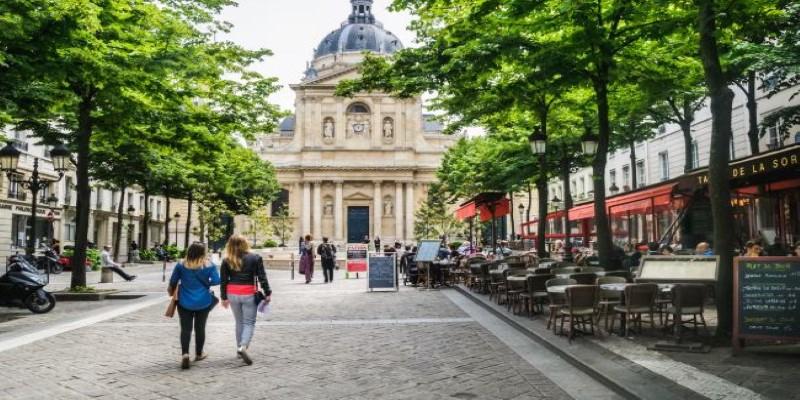
The area around Île de la Cité is a natural starting point. Notre-Dame still stands, now partially obscured by scaffolding, but its presence is unmistakable. The Seine moves slowly around the island, offering steady views from all sides. Walk over the Pont Saint-Michel and into the Left Bank. The buildings here are lower, the streets slightly curved, and bookstores seem to multiply. Shakespeare and Company is worth a short pause.
Nearby, the Latin Quarter provides a balance of energy and age. Rue Mouffetard feels like it hasn’t changed much in decades—stone-paved and lined with grocers, fromageries, and cafés. If you stop for lunch, choose something light. Then carry it to Jardin des Plantes, where the benches are quiet and the paths well-tended. It’s a good place to shake off travel fatigue without losing the day.
In the evening, seek out a corner bistro—not necessarily one that’s been written about. Paris feeds its residents every day without needing praise. Menus tend to be short and seasonal. Sit outside if you can. Watch the city shift as the light fades and streetlamps flicker on. The first day doesn’t need a destination. The point is to walk until you start to feel the city’s rhythm.
Day Two: Museums, Neighborhoods, and Contrasts
The second day opens with more structure. If you plan to visit the Louvre, start early. Pre-book your ticket and arrive before the lines stretch across the courtyard. The museum is vast. You’ll see the Mona Lisa if you want, but the quieter sections—the Islamic art wing, the sculpture courts, the French paintings—often offer more time and space. Give yourself two hours, maybe three, and then leave while you still have energy to enjoy the rest of the day.
From the Louvre, walk west through the Tuileries Garden. The open gravel paths, chairs around fountains, and views toward Place de la Concorde allow your mind to reset after the museum. From there, head across the Seine to the Marais. This neighborhood carries layers: medieval streets, hidden courtyards, quiet squares, and storefronts with modern polish.
Place des Vosges is a calm spot to sit, tucked under its arcades. Nearby, the Musée Carnavalet is one of the city’s most overlooked treasures. Entry is free, and the museum’s collection tells the story of Paris through paintings, models, and preserved interiors. It’s both grand and intimate.
For lunch, try something simple and satisfying. The Marais is full of options—from bakeries to cafés to falafel stands that draw long but fast-moving lines. After eating, walk north toward Canal Saint-Martin. The shift in atmosphere is clear. The canal is lined with sycamore trees, footbridges, and a mix of young families, readers, and friends perched on the edges with their feet above the water. There’s less pressure here, fewer signs pointing to the next thing.
If you want a view before the day ends, Montmartre is possible without getting stuck in the crowd. Avoid the tourist-heavy footpath from Pigalle and instead take the stairs from Lamarck-Caulaincourt. The streets here are quieter, sloped, and lined with ivy-covered walls. Sacré-Cœur itself may be busy, but the panoramic view over the city is real and wide. At dusk, it becomes still. Walk back down with no set plan, letting the streets guide you to a quieter dinner nearby.
Day Three: Markets, Parks, and Everyday Paris
On your last full day, see how the city lives when it’s not performing. Sunday mornings belong to the markets. Marché Bastille is large and noisy, with fishmongers calling out prices, stalls of olives, and families on their weekend rounds. Try something warm—crêpes made to order, roast chicken in paper wraps, or fresh quiche.
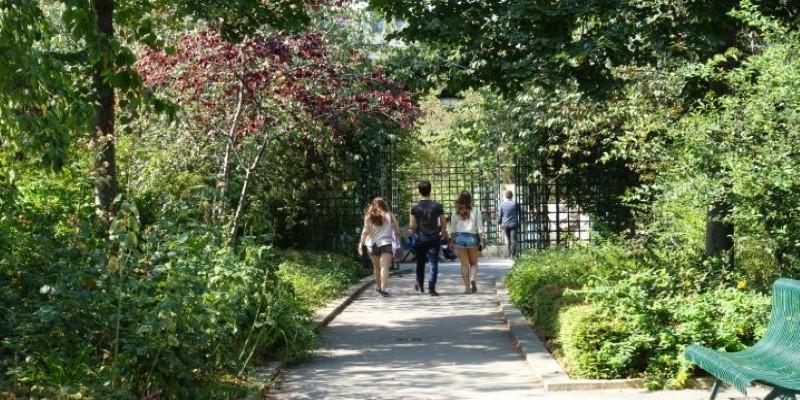
After the market, follow the Promenade Plantée (Coulée verte René-Dumont), a former railway turned elevated green path. It stretches above streets and past gardens, with quiet benches along the way. It’s a peaceful walk that gives you a high-up look at daily life below—backyards, balconies, rooftops.
Next, head south to the Luxembourg Gardens. These grounds are shared space—by locals, students, tourists, and elderly Parisians who’ve sat on the same bench for years. Rent a chair or find a shady spot. Around the fountains, children push sailboats, while others read or nap in the sun. The gardens don’t ask anything of you. They let you stop and breathe.
If there’s still time, spend your final hours in the Left Bank. The cafés near Rue Saint-Jacques and Rue Soufflot are slower, and the pace fits your mood. You’ve stopped scanning every corner for something remarkable. The beauty of this last day is that you already know the streets—not in detail, but enough to find your way without checking a map.
Paris doesn’t need you to leave with everything done. It wants you to leave knowing you could return and start again.
What Stays With You?
A long weekend in Paris won’t give you everything, but it gives enough. In three days, you’ll feel part of it—through quiet streets, the scrape of café chairs, and sunlight drifting across the Seine. The details stay with you. You’ve seen the city without rushing, and that changes how it lingers. Leaving doesn’t feel like the end. Paris waits, unfinished, like a book you’re still getting to know.