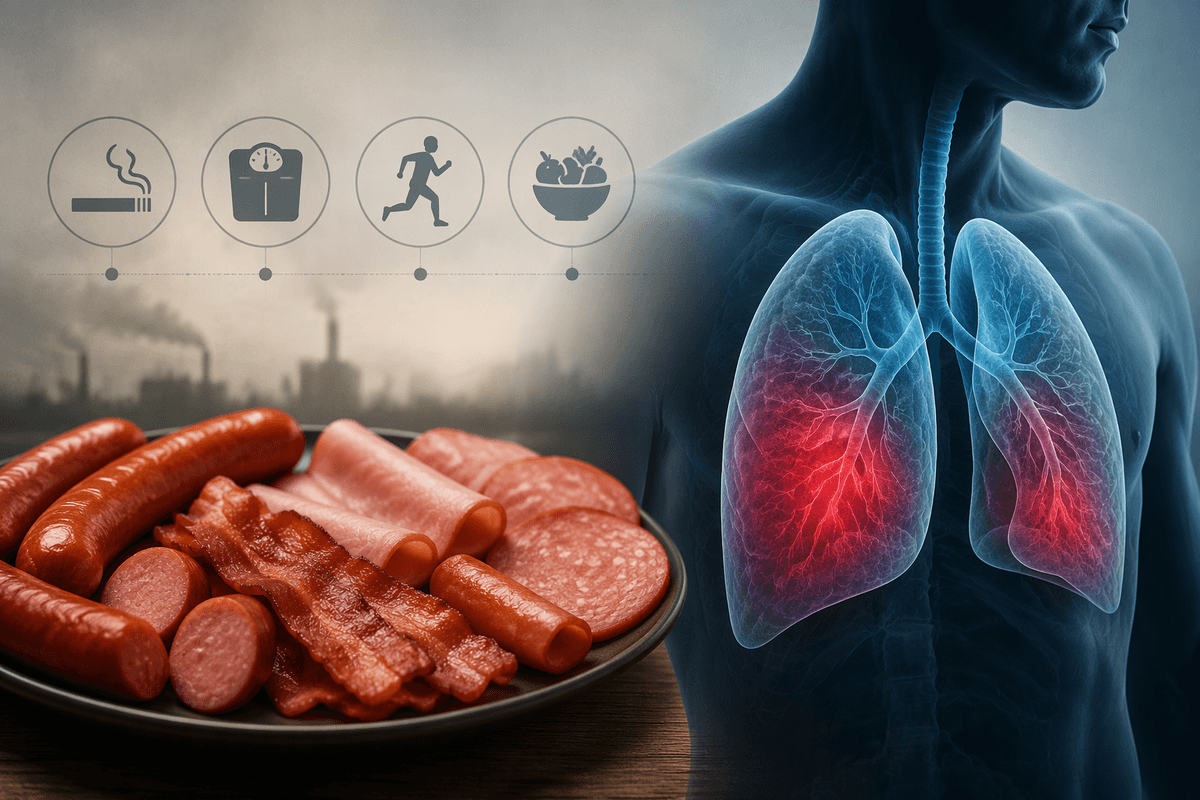
What Lung Function Studies Actually Measure
A breathing test can feel deceptively simple: you take a deep breath, blow into a device, and watch numbers appear. But those numbers do not directly show whether a particular food has affected the lungs. Common measures include how much air you can move and how quickly you can exhale it. Results may also be compared with expectations based on age, height, sex, and other factors.
That distinction matters when processed-meat intake is linked with lower lung-function scores. The finding may reflect a gradual change in breathing capacity, but it may also sit alongside smoking, less physical activity, weight gain, or an overall lower-quality diet. Even the test itself can vary with effort, discomfort, recent illness, or how well the instructions were followed. A single result therefore offers limited context. Patterns across repeated measurements are more informative, yet they still cannot easily separate one everyday habit from the wider lifestyle surrounding it.
Why Processed Meat Raises Respiratory Questions
The question often begins at the dinner table, not in the testing room. Bacon, sausage, ham, and similar foods can be regular parts of meals, so a connection with breathing measures may seem straightforward. Yet frequent intake may also signal a broader pattern: fewer fruits and vegetables, more refined foods, lower activity, or gradual weight gain. These habits can develop together, making the role of processed meat difficult to isolate.
There is also a practical reason researchers remain cautious. People who eat more processed meat may differ in smoking history, income, work conditions, or access to health care—factors that can influence respiratory health over time. Even when studies account for several of these differences, some influences are difficult to measure consistently. The association may therefore raise a reasonable question without proving that processed meat alone caused a change in lung function. Its significance becomes clearer when considered alongside the rest of a person’s eating pattern, daily habits, and repeated health measurements.
Salt, Preservatives, and Inflammatory Pathways
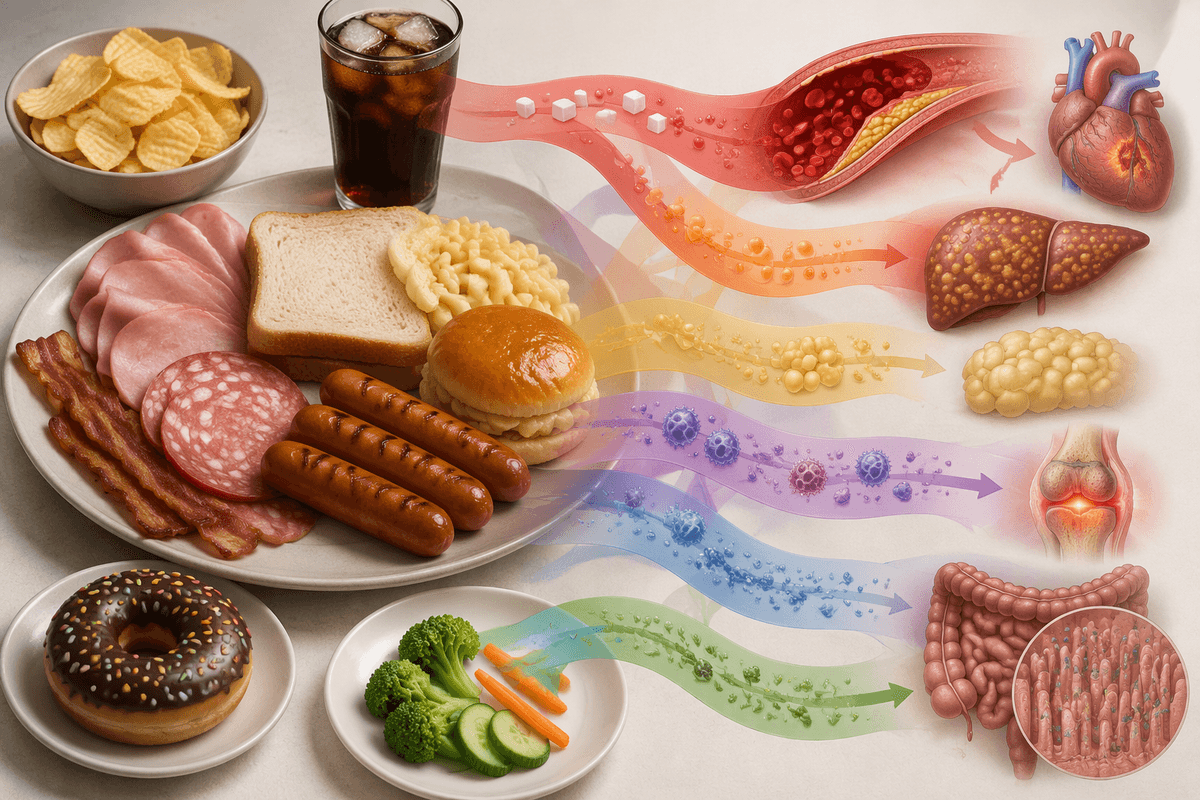
The salty taste is easy to notice, while the less visible ingredients are not. Processed meats often contain substantial sodium along with preservatives used to maintain color, flavor, or shelf life. In some people, a diet consistently high in sodium may contribute to fluid shifts or make breathing feel more uncomfortable, especially when other heart or circulation concerns are present. That does not mean a salty meal directly lowers lung-function numbers, but it helps explain why researchers consider more than the meat itself.
Preservatives and compounds formed during processing may also be studied for their possible relationship with inflammatory activity. Ongoing, low-level inflammation could affect several body systems, including the airways, but the pathway is not simple or certain. The same foods may be eaten with refined carbohydrates, sugary drinks, or fewer fiber-rich foods, creating a combined pattern that is difficult to untangle. Even reported intake can be inconsistent, since portion sizes, brands, preparation methods, and frequency change from week to week. These limitations leave room for a possible biological link without showing that salt or preservatives alone explain differences in breathing capacity.
The Hidden Pattern Behind the Association
A lower lung-function result may appear beside a food habit that is only one visible part of the picture. Someone who eats processed meat often may also smoke, sleep poorly, move less, or work around dust and fumes. Weight can shift gradually as well, sometimes changing breathing comfort and test performance without the person noticing a clear turning point. These factors can reinforce one another, so the reported association may reflect a lifestyle pattern rather than a single ingredient.
This is where interpretation becomes less certain. Statistical adjustments can account for smoking, body size, activity, and other measured differences, but they depend on accurate answers and may miss changes that occurred years earlier. A person may also reduce processed meat after developing breathing problems, making the timing appear reversed. Looking at repeated diet reports, smoking changes, weight trends, and lung measurements together gives a fuller view, although it still cannot remove every source of uncertainty. The useful question is often not whether one food explains the result, but what cluster of habits changed around the same time.
When a Reasonable Dietary Change Backfires
The change can seem sensible at first: processed meat is cut back, but breathing still feels heavy or a follow-up test shows little improvement. That result may be discouraging, especially if the food was treated as the main issue. Yet removing one item does not automatically replace the wider pattern around it. Sausage may disappear while meals become larger, more refined, or higher in saturated fat, and reduced activity or ongoing smoking may continue unchanged.
There is another complication when dietary changes happen after symptoms begin. A person may alter eating habits because breathing has already become harder, while weight, fitness, medication use, or daily movement change at the same time. The lungs may also respond slowly, and test results can vary with effort or recent illness. Cutting back on processed meat can still be a reasonable step, but a lack of immediate improvement does not clearly show that the change failed—or that the original association was caused by the food itself.
Symptoms Can Reflect More Than Lung Decline

The first sign may not be a lower test result at all. It may be needing to pause on stairs, feeling unusually winded while carrying groceries, or noticing that a familiar walk now takes more effort. Those sensations can occur with changes in fitness, weight, sleep, anxiety, recent illness, or heart and circulation health, so they do not automatically indicate declining lung capacity. A heavy meal or salty foods may also make some people feel uncomfortable or bloated, which can be mistaken for a breathing problem.
If breathlessness appears mainly during exertion, varies from day to day, or improves with rest, the surrounding pattern matters: smoking, activity levels, weight changes, sleep quality, and recent infections may all contribute. A lung-function test can add information, but it is still influenced by effort and timing. Paying attention to when symptoms occur—and whether they continue, worsen, or interfere with ordinary activities—offers more context than linking every uncomfortable breath to processed meat or assuming it reflects lung decline alone.
What the Evidence Can—and Cannot—Conclude
It can be tempting to turn a study finding into a personal verdict: processed meat lowers lung function, or avoiding it should restore breathing. The evidence usually supports neither conclusion so firmly. Research may show that frequent intake occurs alongside lower respiratory measurements, but associations can be shaped by smoking, activity, weight, diet quality, work exposures, and changes made after symptoms begin. Even careful studies cannot measure every influence perfectly or prove that one food caused a gradual decline.
What the findings can offer is a reason to examine the broader pattern. Regular processed-meat intake may be more relevant when it accompanies smoking, low activity, weight gain, or few fiber-rich foods, while a varied diet and stable habits provide different context. Repeated lung measurements, changes in everyday exertion, and the timing of diet or symptom changes are more informative than a single comparison. The practical conclusion is modest: cutting back may support an overall healthier pattern, but breathing changes deserve to be interpreted in the context of the whole person, not one ingredient.